


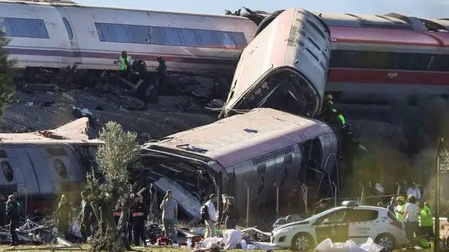
68 muertes causadas por la ineptitud de los inútiles y corruptos que gobiernan España.
La única esperanza que despunta por el horizonte es que si Sánchez y sus secuaces no asumen responsabilidades ni dimiten, nosotros podemos echarlos del poder en las elecciones del 29 de noviembre.
Ese día hay que castigarlos porque gobernar no consiste en inaugurar obras, hacerse fotografías y pronunciar discursos triunfalistas. Consiste, sobre todo, en conservar lo construido, prevenir tragedias y garantizar que los servicios públicos funcionen con seguridad.
Cuando esas obligaciones fallan, la ciudadanía tiene derecho a enfurecerse y a exigir cuentas. Y España está hoy enfurecida por tantas muertes causadas por ineptos y corruptos con un poder que no merecen.
Los problemas de España son muchos y graves. La situación económica obliga a mirar al futuro con enorme preocupación. La deuda pública limita el margen de actuación de los próximos gobiernos, mientras la presión fiscal reduce la capacidad de ahorro de familias y empresas. En sectores estratégicos como las energías renovables y los centros de datos, la estabilidad normativa resulta decisiva para atraer inversiones y crear empleo. Las reglas confusas, los cambios regulatorios imprevisibles y la incertidumbre sobre las condiciones futuras paralizan proyectos, desvían capital hacia otros países y destruye oportunidades.
España no puede aspirar a competir en la economía del siglo XXI si quienes invierten no saben a qué legislación tendrán que atenerse mañana. La confianza se construye con seguridad jurídica, planificación y seriedad institucional, no con improvisaciones que trasladan sus costes a empresas y ciudadanos.
El balance que tendrá que afrontar cualquier futuro Gobierno será, por tanto, mucho más complejo que una simple alternancia de partidos. Habrá que sanear las cuentas públicas, recuperar la credibilidad de la Alta Velocidad, modernizar las infraestructuras, reforzar los sistemas de seguridad, estabilizar el marco regulatorio y devolver a España una capacidad de planificación que no dependa de las urgencias electorales ni de los caprichos de un imbécil fatuo, lleno de arrogancia.
Y todo deberá hacerse sin cargar indefinidamente sobre los contribuyentes el precio de los errores acumulados. Cada euro malgastado, cada inversión aplazada y cada decisión adoptada sin evaluar sus consecuencias reduce las posibilidades de prosperidad de nuestros hijos y nietos.
Un país puede soportar una crisis, pero difícilmente puede progresar si sus instituciones pierden la confianza de la sociedad y sus gobernantes dejan de explicar con claridad qué hacen, por qué lo hacen y quién responde cuando fracasan.
Ante semejante panorama, los ciudadanos tienen una herramienta fundamental: las elecciones del 29 de noviembre. Ese día, con las urnas abiertas, los ciudadanos pueden exigir responsabilidades por los errores demostrados y decidir libremente qué proyecto político merece su confianza.
La democracia no consiste en entregar un cheque en blanco a quienes gobiernan, sino en someterlos a una vigilancia permanente y sustituirlos cuando no funcionan, cuando destruyan en lugar de construir.
Amar a España significa defender sus infraestructuras, sus instituciones, su prosperidad y el derecho de las próximas generaciones a recibir un país mejor, no hipotecado por decisiones irresponsables.
Ningún gobernante está por encima de la rendición de cuentas. Y ningún partido ni político tiene derecho a maltratar a una nación.
¡¡¡Que nuestros muertos descansen en paz y que los responsables de esas muertes lo paguen!!!
Francisco Rubiales
English version:
Incompetent and Corrupt Politicians Won't Resign — But We Can Vote Them Out
Sánchez's political rule is turning Spain into a wasteland. Under Pedro Sánchez's government, Spain is suffering a serious and dangerous decline that threatens its prosperity, investment and even its future as a nation. Infrastructure is being neglected, and the country's international reputation — the "Spain Brand" — is being destroyed. Who would want to invest in a country that is insecure, poorly governed and unstable, one that bleeds every day from political division, hatred and confrontation?
Two deadly railway accidents in less than a year, affecting a high-speed rail network that was once a global example and a source of national pride. More than 100 people dead, including 68 in yesterday's accident. Always, in my view, for the same reason: inadequate maintenance and failure to renew outdated and worn-out safety systems. Meanwhile, the government spends money buying political support, rewarding its allies, financing the privileges and luxuries of the political class, and providing assistance to left-wing causes around the world.
Under Sánchez, Spain can no longer even guarantee its own future.
Whenever fatal railway accidents occur, they demand rigorous investigations, clearly established accountability and transparent explanations. If maintenance failures, obsolete safety systems or ignored warnings are proven, nobody should be allowed to hide behind bureaucracy or political excuses.
The only glimmer of hope on the horizon is that, if Sánchez and his associates refuse to accept responsibility or resign, we can remove them from power in the November 29 elections.
On that day, they must be punished at the ballot box, because governing is not about inaugurating public works, posing for photographs or delivering triumphalist speeches. Above all, it is about maintaining what has already been built, preventing tragedies and ensuring that public services operate safely.
When those obligations are neglected, citizens have every right to be furious and demand accountability. And Spain today is furious over so many deaths that I attribute to incompetent and corrupt individuals exercising power they do not deserve.
Spain's problems are numerous and serious. The economic situation forces us to look towards the future with profound concern. Public debt restricts the room for manoeuvre available to future governments, while the tax burden reduces the ability of families and businesses to save. In strategic sectors such as renewable energy and data centres, regulatory stability is essential to attract investment and create jobs.
Confusing rules, unpredictable regulatory changes and uncertainty about future conditions bring projects to a standstill, divert capital to other countries and destroy opportunities.
Spain cannot hope to compete in the twenty-first-century economy if investors do not know which laws they will have to comply with tomorrow. Confidence is built through legal certainty, planning and institutional seriousness, not improvisation that passes the costs on to businesses and citizens.
The challenge facing any future government will therefore be far more complex than a simple change of political parties. It will have to restore public finances, rebuild confidence in the high-speed railway network, modernise infrastructure, strengthen safety systems, stabilise the regulatory framework and restore Spain's capacity for long-term planning — free from electoral pressures and the whims of an arrogant, conceited fool.
And all this must be achieved without endlessly forcing taxpayers to bear the cost of accumulated mistakes. Every wasted euro, every postponed investment and every decision taken without assessing its consequences diminishes the prospects of prosperity for our children and grandchildren.
A country can withstand a crisis, but it can hardly prosper if its institutions lose society's trust and its leaders stop explaining clearly what they are doing, why they are doing it and who is accountable when things go wrong.
Faced with such a situation, citizens possess a fundamental instrument: the November 29 elections. On that day, with the polling stations open, voters can demand accountability for proven failures and freely decide which political project deserves their confidence.
Democracy does not mean handing a blank cheque to those in power. It means keeping them under constant scrutiny and replacing them when they fail, when they destroy rather than build.
To love Spain means defending its infrastructure, its institutions, its prosperity and the right of future generations to inherit a better country, one not mortgaged by irresponsible decisions.
No leader is above accountability. And no political party or politician has the right to mistreat a nation.
May our dead rest in peace, and may those responsible for their deaths be held to account!
Francisco Rubiales


 Inicio
 Enviar
 Versión para Imprimir












Comentarios: