
No hubo debate. Debatir significa intercambiar ideas, confrontar argumentos, iluminar los problemas y buscar la verdad, aunque los participantes partan de posiciones diferentes. Es un ejercicio de inteligencia, conocimiento y respeto a la sociedad. Justamente lo contrario de lo que presenciamos en el lamentable cara a cara entre Pedro Sánchez y Alberto Núñez Feijóo.
Durante dos horas no escuchamos propuestas capaces de abrir horizontes, razonamientos destinados a convencer ni ideas que enriquecieran a los ciudadanos. Solo vimos a dos políticos arrojándose piedras, reproches, acusaciones y descalificaciones, empeñados en hacer daño al adversario y sin el menor interés por esclarecer la realidad. No fue un debate político: fue una pelea de barrio retransmitida por televisión.
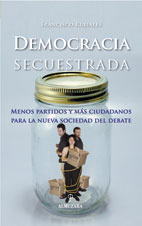
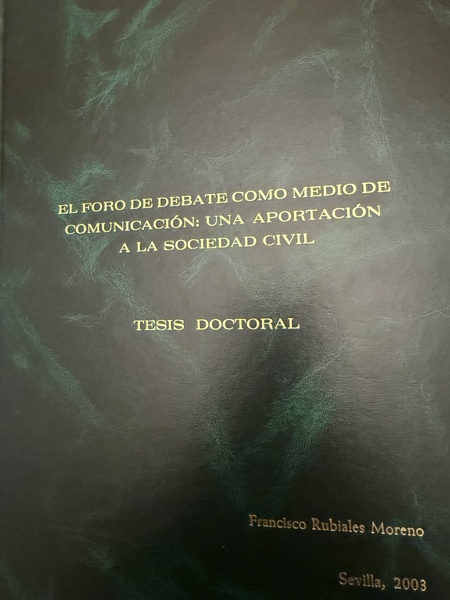
Puedo hablar de esto con conocimiento. Mi tesis doctoral (Summa cum laude) versó precisamente sobre el debate y, además, fundé y dirigí durante ocho años Encuentros 2000, uno de los dos principales foros de debate de España, en el Club Antares de Sevilla. Sé, por tanto, que debatir es algo mucho más elevado y exigente que hablar por turnos, interrumpir al contrario o acumular munición para desacreditarlo.
Un debate auténtico exige preparación, honestidad intelectual, capacidad de escucha, argumentos y voluntad de acercarse a la verdad. No consiste en derrotar al interlocutor a cualquier precio, sino en ofrecer a los demás razones para comprender mejor los asuntos que les afectan. Por eso resulta tan lamentable que casi nadie esté explicando el verdadero fracaso de aquel espectáculo: hemos confundido la confrontación bronca con el pensamiento y la agresividad con la inteligencia.
En un debate no gana necesariamente quien parece más fuerte, quien interrumpe más, quien coloca mejor una frase o quien consigue dejar al adversario en una posición incómoda. Gana quien aporta luz, quien convence con argumentos, quien descubre aspectos que permanecían ocultos, quien transmite conocimiento y ayuda a la sociedad a comprender sus problemas. Gana quien despierta ilusión, esperanza y confianza en el futuro.
Sánchez y Feijóo son dos pésimos políticos que desperdiciaron una oportunidad extraordinaria para elevar el nivel de la política española y demostrar que todavía es posible discutir sobre España con altura, rigor y sentido de Estado. Ninguno pareció entender que millones de ciudadanos no estaban esperando una pelea de gallos, sino respuestas, explicaciones y propuestas para salir del deterioro político, institucional y económico que tanto les preocupa.
Lo más grave no es que el "cara a cara" fuera mediocre, bronco y decepcionante. Lo verdaderamente preocupante es que se haya aceptado como normal que dos aspirantes a dirigir un país conviertan un debate en una pedrea de barrio y que después los comentaristas se dediquen a repartir puntos, como si aquello hubiera sido una competición deportiva.
España necesita menos pedradas y más pensamiento, menos propaganda y más verdad, menos políticos empeñados en destruir al adversario y más dirigentes capaces de construir un proyecto colectivo.
Un país no avanza porque sus políticos se insulten mejor, sino porque sus ciudadanos comprendan más, piensen libremente y puedan elegir con conocimiento. Lo de Sánchez y Feijóo no fue un debate. Fue el espectáculo triste de una política que ha perdido el respeto a la democracia, a las ideas y a los ciudadanos.
Francisco Rubiales
English version:
There Was No Debate Between Sánchez and Feijóo. It Was a Stone-Throwing Match.
No one shed any light on the issues under discussion. They simply threw stones at each other. The face-to-face encounter was not a debate, but a neighborhood stone-throwing match that shed no light on any of the problems worrying Spaniards.
Journalists and the media are analyzing who won and who lost, but they fail to point out that there was no debate at all and that Spaniards remain just as anxious about Spain's serious problems as they were before the televised encounter.
Unfortunately, everyone believes that winning a debate means being more brilliant than one's opponent, when the truth is quite different: the winner is the person who brings more truth and clarity to the issues being discussed.
There was no debate. Debating means exchanging ideas, confronting arguments, shedding light on problems and seeking the truth, even when participants start from different positions. It is an exercise in intelligence, knowledge and respect for society. It was precisely the opposite of what we witnessed in the deplorable face-to-face encounter between Pedro Sánchez and Alberto Núñez Feijóo.
For two hours, we heard no proposals capable of opening new horizons, no reasoning intended to persuade, and no ideas that might enrich citizens. All we saw were two politicians throwing stones at each other, trading reproaches, accusations and insults, determined to hurt their opponent and showing not the slightest interest in clarifying reality. It was not a political debate: it was a neighborhood brawl broadcast on television.
I can speak about this with authority. My doctoral thesis, awarded Summa Cum Laude, dealt precisely with debate. I also founded and directed Encuentres 2000 for eight years, one of Spain's two leading debate forums, at the Antares Club in Seville. I therefore know that debating is something far more elevated and demanding than taking turns to speak, interrupting one's opponent or stockpiling ammunition to discredit them.
A genuine debate requires preparation, intellectual honesty, the ability to listen, sound arguments and a willingness to move closer to the truth. Its purpose is not to defeat one's interlocutor at any cost, but to offer others reasons that help them better understand the issues affecting them. That is why it is so regrettable that almost nobody is explaining the real failure of that spectacle: we have confused aggressive confrontation with thought, and hostility with intelligence.
In a debate, the winner is not necessarily the person who appears strongest, interrupts most often, delivers the cleverest soundbite or manages to put the opponent in the most uncomfortable position. The winner is the one who brings clarity, persuades through arguments, reveals aspects that had remained hidden, conveys knowledge and helps society understand its problems. The winner is the one who inspires enthusiasm, hope and confidence in the future.
Sánchez and Feijóo are two very poor politicians who squandered an extraordinary opportunity to raise the level of Spanish politics and demonstrate that it is still possible to discuss Spain with dignity, rigor and a sense of responsibility for the state. Neither seemed to understand that millions of citizens were not waiting for a cockfight, but for answers, explanations and proposals to overcome the political, institutional and economic deterioration that worries them so deeply.
The most serious issue is not that the face-to-face encounter was mediocre, aggressive and disappointing. What is truly disturbing is that it has become acceptable for two aspiring national leaders to turn a debate into a neighborhood stone-throwing match, after which commentators proceed to award points as though they had witnessed a sporting competition.
Spain needs fewer stones and more thought, less propaganda and more truth, fewer politicians bent on destroying their opponents and more leaders capable of building a collective project.
A country does not move forward because its politicians become better at insulting one another, but because its citizens understand more, think freely and are able to make informed choices. What happened between Sánchez and Feijóo was not a debate. It was the sad spectacle of a political class that has lost respect for democracy, ideas and citizens.
Francisco Rubiales


 Inicio
 Enviar
 Versión para Imprimir